Interviews
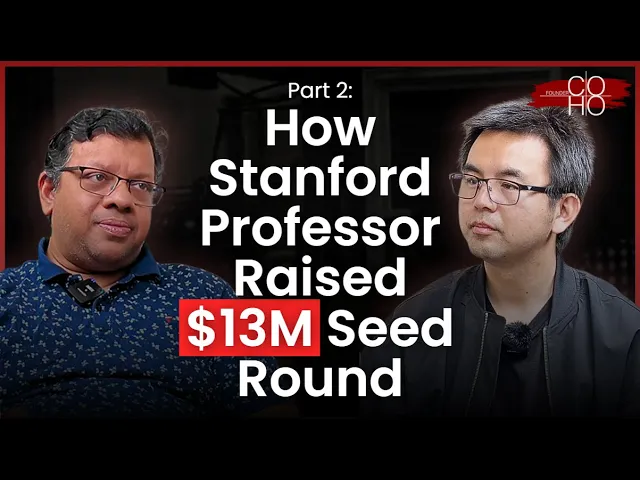
Stanford Professor shares how he raised $13M for his third startup, GridCARE.
|
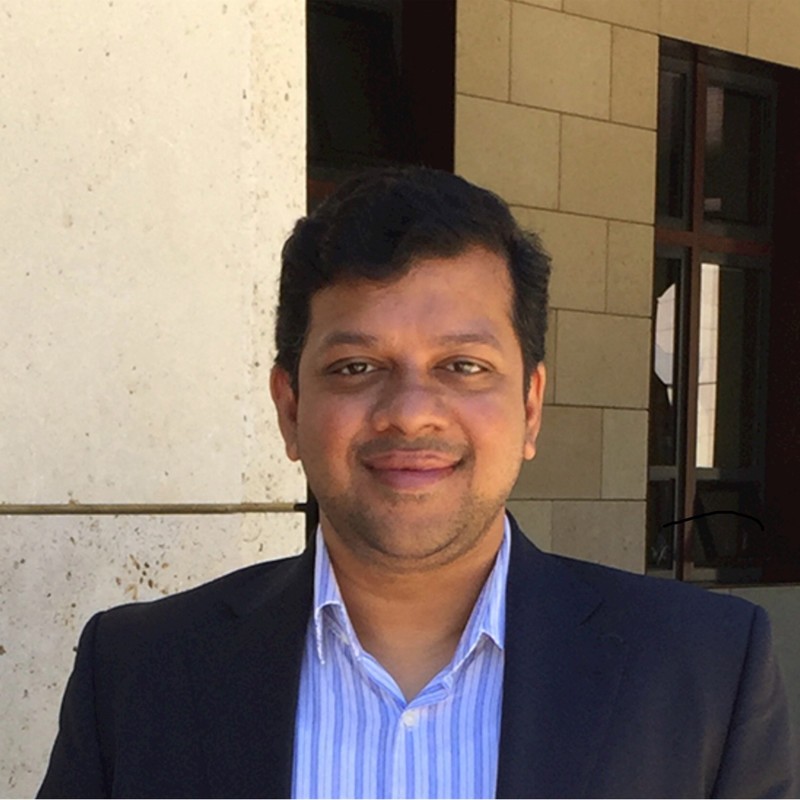
Associate Professor at Stanford | Co-founder: GridCARE.
What if I told you a Stanford professor cracked the code to turn ANY research into millions? In this explosive episode, Ram Rajagopal reveals the exact playbook he used to build 3 successful companies - including Gridcare, which went from idea to $13M funding and 10+ customers in just 8 months. This isn't theory - it's a battle-tested system that works Ram interviewed 50-80 customers before writing a single line of code. His secret? Treating your startup like a customer success mission, not a tech project. After watching this, you'll never approach entrepreneurship the same way.
What You'll Discover (No Fluff):
✅ The $13M Formula: Exact steps Ram used to land customers BEFORE building the product
✅ PhD Trap: Why 90% of academic founders fail (and the ONE thing that saves them)
✅ Network Hack: How to build your "unfair advantage" while still in school
✅ Co-founder Reality: The disagreement algorithm that prevents startup death
✅ Customer Interview Scripts: The questions that led to explosive early growth
✅ Passion Myth Busted: Why following your passion is startup suicide
References
Prof Ram's Linkedin: / ram-rajagopal-2b3374
Timestamp
0:00 - Opening highlights and key insights
1:01 - Introduction to Ram Rajagopal
2:15 - Early entrepreneurial inspiration from mother's businesses
3:05 - First startup: commercializing PhD research
5:20 - Joining Stanford and focusing on tenure first
8:02 - Key advice: finish your PhD first
10:02 - Why being first doesn't matter - customer problems do
11:16 - The three hardest things in startups (money isn't one)
14:15 - The startup iceberg: support networks matter most
17:00 - The "disagree but commit" principle for co-founders
20:21 - Scaling beyond 100 employees: hiring principles
24:41 - Starting GridCare: the data center connection problem
27:09 - 50-80 customer interviews that shaped the business
29:00 - Landing first customers without having a product
32:13 - Building products based on customer needs
36:58 - Building unfair advantages through personal networks
41:24 - The $13 million seed round announcement
44:36 - Advice for the next generation of founders
46:28 - Focus on customer problems, not technical perfection
49:06 - The $500 milestone vs unicorn dreams
51:04 - Startup success = customer success
54:06 - Book recommendations and closing thoughts
Full Transcript
there will be disagreements you just need a resolution algorithm not really an agreement if you're working on something it's going nowhere you can be passionate as much as you want passion is your investment of time the person who benefits the most from a connection is the data center this is another term I only learned recently unicorn decorn whatever corn I don't care the day you see even a $500 go into an account you set in the bank for your company and then you see the next month is 1,000 bucks and then that is already very pleasurable okay i don't know for for me at least I always found wow I created something but I think that idea that somebody is using your stuff and then they are paying you for it because they see value in it people should focus on that. Whether you get to billion or not is really going to depend on you know a little bit of luck and trajectory and problem set and maybe the first problem you try is not going to be the one that is huge. I think a startup success is your customer success welcome to founder coho today we have Ram Rajagopal the Stanford professor who's cracked the code on turning research into revenue inspired by his entrepreneurial mother's restaurants and import business ram has founded three successful startups including an AG tech company that scaled to 100 employees before acquisition and his latest venture Grid Care which landed 10 customers and raised $13 million in just 8 months rem has mastered the art of bridging academic innovation with market reality his secret weapon obsessing over customer problems instead of falling in love with solutions in part two Ram reveals the exact playbook he uses to transform research into revenue including why he tells every PhD student to finish your degree first his counterintuitive approach to finding co-founders and the 50 plus customer interviews that led to GridCARE
explosive early growth we dive deep into why most academic founders fail how to build your unfair advantage network while still in school whether you're a researcher dreaming of startup success or an entrepreneur looking to validate your next big idea this episode will fundamentally change how you think about building companies let us get started i also want to switch gear to another part of your life i know that you're not just a researcher but also an entrepreneur tell us a little bit more about your entrepreneurial journey what get your initial inspiration of being a startup founder yeah so you know just rewinding a little bit back when I was a kid you know my my my mom was she's always been very entrepreneurial herself she's done you know restaurants and uh a import export business from India and one of the things was when when I was young uh I helped out i liked helping out and and my mom said "Okay you can help out here and there." and uh I really saw the dynamics of that was very interesting to me like you know the growth and people and and all that so that stuck with me when I finished my PhD uh there were two ideas on the table one was this sensor I had created which was measuring the vibration of the roads and my adviser had started a company doing wireless monitoring for transportation mhm so I talked to him and you know we decided the best idea was why not commercialize this through that company so that was not a startup but that other company is a startup but a wellestablished startup so I wrote this fund with the federal government that allowed me to try that path which was extremely nice i could focus on technology i was able to translate the things I did and improve my methods i was allowed to publish some papers and so it was very very satisfying and it became a product and it was released out there and people used it very similar to my national instruments experience then the other one was these two friends of mine that had worked with me at National Instruments and they happened to be actually one of them had worked and he happened to be here in the Bay Area he said "Oh I met this person who's a really good circuit designer ram you're really good with sensing let's put all this together create a sensor for power." So we went and did that and we rented a room in downtown Berkeley and every night we were used to solder you know boards and put them into like the sensors into little boxes and and then you know first you had we had this sensor that was like you know the accuracy was 0001% that was like the innovation we had we had a patent and we realized nobody really cared about that level of accuracy and what people were really into was at the time they were a lot of companies were doing batteries and you need to do a lot of voltage and current measurements and so we provided a sensor rack that could do that very quickly and connect to various products so we were doing that and and uh that that was the start and and and that company exists today is called Very Volt um and then I joined Stanford and paradoxically when you're a faculty at Stanford and you're untenured your first startup goal is to get tenure so you build out your lab and all of that that's a good call i think uh running a lab is also a step yeah so that's the mindset I had and I wanted our work to have practical impact and I realized I can't really go on starting companies and being a you know I I need to focus to to get tenure so I had noticed and at that time I was already very fascinated with this idea of open source so we started releasing everything we do in the lab as an open source and we saw a some of those things got a lot of adoption some things but nobody used it and so that became a theme for the lab and then after my tenure then I was hit up by the startup bug again so that's a constantly I have for many friends is that if you want to become a startup founder you can never give up the startup bug will always come back
I think it's very very exciting to you know but but by then we already I had already some learnings I think And so there's two students of mine both Brazilians they wanted to start a company in Brazil with a different philosophy because a lot of the startups in Brazil you know what they call tech was really like making some app they wanted to have actual technology some research developed and and then deployed and and be successful at that and and their idea was quite simple look we can use a lot of machine learning and take the data from agriculture and process it and I told him look I know nothing about agriculture and it's a whole new system it'll take us two three years to learn it and so but Brazil is huge in agriculture and which is really true so that's an area we can potentially have success so we started this company called gyota we raised some money initially uh through a seed round and and preede rounds and we built up the company to like something like a hundred people uh found the customers found the whole story but it took a while to do that um even though we already had all our technology which is like processing satellite imagery to identify what is being planted and then also take their data from the field and kind of assess the performance of of the system um and then uh there was an opportunity to to sell the company and we we did that and it it was like a good time for for my students to do that so there was a little bit of an advisory role you mentioned about like for this company you co-ounded with your students one of my students he he did his MBA at Stanford and then he was doing kind of an internship in my lab because he wanted to be more tech oriented and he felt in the MBA he didn't get enough training on that it's very common to for professor students p to be co-founders what is your um main takeaway both like now that you are on the both side of being a student in the journey as a professor in the journey i always say that if you're a PhD student finish your PhD that's the most valuable skill set you're going to have you can always do startups before after your PhD or before you start a PhD um the reason I say that is because it's a very high-risk effort and for example in most universities you have conflict of interest rules that pro you know forbid a student and a professor if you are still my student I can't start a company with you I can but it's very complicated and that already imposes a big strain on something that is super delicate a startup is it's a very delicate setup it's not super robust us any little thing can derail the whole startup and people always think about money I don't even think that is a big issue you need to know whether you can work with those people in extremely stressful situations exactly where you know you can have breakdowns in communications people can show sides that you didn't know exist and all that and so doing that when you left a PhD it becomes a huge pressure on the student as Well u so I always say that's the first thing so if you're in a master's degree yeah finish your masters and do it that's easy if you're in a PhD finish your PhD and do it it'll be worthwhile mhm the second thing is what I noticed is to start a company a lot of us often think about you have to be first you have to be completely new mhm and very few people actually think about who is my customer let me talk to as many people as possible about what problems they have and what skills I can bring to solve that problem you might think it's it's a paradox like oh but if I tell them sort of how I am thinking of solving these problems then they will just steal the idea well if the idea is so easy that by you saying something they figured it all out and they're going to do it themselves which is extremely rare uh then it's not worth to be a company but that those conversations those interviews and and network you build will be very important because the first hardest thing to start a company is you know finding your co-founders the second hardest thing is to bringing in some customer the third hardest thing is finding the employees to work for you so for me those are the three hardest the easiest thing is the money um I never had any money issues in any of the companies I did there was always like more money to take than what we ended up taking so I think that learning for me is if you are uh in the university and you want to start a company uh use that time use your PhD to build this amazing network talk to people about problems go there and learn because once you have the network formed when you graduate then you can turn it on to actually find problems you can be an entrepreneur on not always the thing you're doing for research needs to be the thing that you start a company on and not always you need to be first you just need to solve something for somebody that has value and you have to convince them to pay for it that's that's the formula that I seen now to work really well all the the other things sometimes they work sometimes they don't this is like a tested and true formula yeah exactly you mentioned such a great point and it's so useful for people who are have more in the school or students or like a more technical background is like you don't have to do the thing that you did for PhD for your startup what really matters is what customer wants and uh so there's a there is like a difference between the two a lot of the the PhD student when they graduate they want to do startups like oh this is my PhD dissertation I only do that yes uh the real world doesn't work in that way yeah and that time when you were a PhD student the world will be very open to you companies don't feel threatened by PhD students and faculty and they think the university is a more open place so if you use your time cleverly you know aside from doing your research and doing really well on that build out this network with with colleagues and that's also very important like people with different skill sets you know who can program who can do this who can do that the second thing is to build it out outside go and talk to companies let's say you're working on the electricity sector like I am talk to utilities talk to seammens talk to startups in this area or participate in their workshops maybe organize something on the campus for the students cuz you will create such a network that will help you really see where the opportunities are very quickly and also when you decide to do something they will all be cheerleaders for you which is another important thing if other people are supporting you then your company is going to be successful it cannot fail if you are just starting out from nobody knows you nobody knows who you are what you're doing here so those personal relationships I think is is as important as the technical capabilities you mentioned such a great point about startup building because a lot of people think startup is just a one isolated thing you just find a co-founder you have a startup that's not true like the startup is actually just the tip of ice the whole iceberg is the support network and that take time to build and like like the advice you gave you should take your time um as you are in a student just connect and build the network in a campus there's like tons of opportunities like like Stanber provides and many others provides entrepreneurial club you know the people you know the mentors they will be the people behind you when you when is the time for you when you finish your degree it's a time for you to just start up similarly when doing the uh when you are in the uh um when you're in the company is it's very similar like that um another thing you mentioned and I'm very curious about is that you you you mentioned about like when you build a network is very important to find the people who has complimentary skill sets so the start is not just about how smart a single person is is about to build a team that has all the skills that is needed for company successful as a researchers turned to a startup founders and building a team so what is your main takeaway from this i think it's very different in research i'm looking for people who are independent thinkers who can kind of find a topic run with it on their own and sort of build a mini company themselves like a a whole thing around their project and so on and and they also have some depth technically on something if they don't have it that they're keen to get it versus in a company you're really going to grow it based on your product and your strategy so what your customers need where you're getting traction oh okay my original idea was to do AI and this and that but well what is really getting strateg traction is uh this you know amazing database of customers and getting them into this platform and selling products to them so then we're going to have to hire software engineers and you know product designers and so on web designers etc to kind of make that that happen and I think the second thing is you can't I think the first 20 people are the most critical in any company how how do you find your first 20 people first you find a really your two one or two co-founders and have a very very level of trust there that even if you don't necessarily always agree you go with it you know because somebody disagree but commit disagree but commit that I've seen that's because I think this thing that people will agree particularly founders in a startup is an illusion these are all you know you are already a very independent person to be thinking about a startup and to be a founder and if you meet another independent person there will be disagreements you just need a resolution algorithm not really an agreement if you wait for agreements you'll never agree on anything and nothing is going to happen so you need to create systems and processes and ways of thinking mhm and in that initial set between the three of you each one has to bring three four people into the company and that's going to be your you know 4 * 3 12 + 3 15 that's like your first like 15 core team and then at that moment then you will create like a good initial team means that everybody that comes later they're going to meet those standards so that's very very important i always noticed in companies and even in the lab you know people want those leadership positions and they always think okay my leadership means you know technically I'm proficient which is true you can get to some level of leadership by your technical knowledge you can guide others but a leader is one that is also responsible for outcomes beyond the technology so you are supposed to hire people to hire people you have to build out a network to do that you have to spend time doing that so it's not everyone who wants to do that second you also are responsible for communicating the results of your team and group with other teams other groups other people how do you do that if you haven't been used to doing that it's something you need to learn and so I think in every role you have to think about it in a startup everything is brand new everybody's going to have to grow into their roles but having clarity of what the role is about not in like specifically you're going to work on this project but oh your role is going to require you to bring new people into the team communicate with these people that will have to emerge you know not super quick but some some semblance of order has to emerge within like a year or something like that mhm that I would say are the the most important things about that initial set of people yeah yeah you mention a very great point which is how to build the initial team is actually the expansion of the co-founders uh each of them bring like three to four people which forms the initial founding team and the founding team set a tone which attracts more is self reinforcing and attract more people like that yeah and another question I'm very curious about as like you initially build a team found the co-founders and the founding teams and then later there will be more people joining like you grow the team to more than 100 people then it would be out of your direct radius of influence you wouldn't be able to meet each of them and so you so what is your ways to ensure the company is moving to the direction you want to move like enforcing some type of management to the company uh I I think when it goes beyond 100 people you can't meet everyone i think up to 100 people if the CEO is really crazy passionate he can for sure meet every single employee that's hired but I would say the most important thing is to establish some principles on hiring mh you know what how do we what are the characteristics we look for in a person mh what's the process we're going to do to assess this person you know and uh how do we reach a hiring decision i think these seem like very obvious things but most people don't think about it you know some companies that I've seen uh started you know you go in visit them and they'll be like yeah you know I am the project manager for this i just needed somebody who's really good in algorithms i went and hired this person that person didn't really talk to anybody else and I mean that should never happen hiring should always be a team decision and there has to be some small number of people at least involved on that hiring so so I think that that whole process needs to once you set it up then then you can make adjustments and um and it will work well and and I really think you know if you set the first 10 20 people right the others that are going to come in they're going to see them and say hey do I match this frequency or not people are pretty clever about that a lot of times somebody doesn't do well in their first role you can change their role and they do very well you know even in my lab sometimes you know they come in and I see them as a promising student I put them in initial project it's not going very well I always start to think okay maybe it's me or the topic oh if it's the topic then let's try with something else and and and suddenly it it goes and so I think there's a lot of uh adjustments that can be made but the core principle is what is the standards that you want to have for people and uh how you set those standards yourself I think startup founders is about making the choice about how do you want to spend your time for the next five years and does the project compare with all the other projects you have is this the most passionate things you want to work on um yeah I I have some particular view about passion I think a lot of people think you work on what you're passionate about I always tell everyone you become passionate about something you're working on because it's somewhat successful if you're working on something and it's going nowhere you can be passionate as much as you want it's going to run out of passion soon but if you do something small and then suddenly a lot of people are using it and you say "Hey that looks like a good idea and you put more time and then that becomes your passion because you're just passion is your investment of time." All right i I really think one another misconception people have because I learned about startup so late um is really that a person who wants to do a startup is going to be in a startup mode no matter where they are you're in a company that exists you're going to thinker with something you're going to figure out hey this product doesn't look great let me create something different and it will create disruptions in the company because I used to do that you know and and I feel um it's just a mindset about if you think something can be done better do it if you're curious about something experiment with it that that's the mindset it's a it's kind of a and and no matter where you are you're going to be doing it and then when you do it in a company outside it's just like you're doing it you know on a different context and with a lot more challenges by the way I think the the biggest issues once you start your own company you have to worry about so many things like money and uh uh you know the running of the operations and getting customers and so that that becomes new things that you have to address you mentioned about you are very passionate about the the energy projects on that uh and then later after exit from company now you are working on new one tell tell us a little bit about that yeah so you know so then so my first company after my tenure was Gata and then we sold it and for since my end of actually you know even before I was always trying to understand where are the what are businesses you can create in the electricity sector that could scale up and I quickly figured out that a really good way to learn about that is to help other people who are doing that And so either through an advising relationship or partnering with with them from a research perspective and using my lab at Stanford and so I I did that a few times you know and advise different companies some of them are like autogrid that were very successful and so I started seeing okay really in this sector of electricity energy it's not just about technology you really need to have a very strong network with utilities who whether they are your customers or not you're going to have to interact with them and successful interaction there really depends on a deep network with them so I built my utility network but I also started meeting other people that were doing that and and and and that was one thing and so this went on for a little while and in 2042 24 um I was advising Autogrid Auto Grid got sold and had had a very successful exit and the entrepreneur running it Naray and um he was always telling me no Ram you're doing all these amazing AI stuff and it's all kind of in open source you should take it all together put it together and launch a company it'll be very successful and said yeah but you know we need these customers and this and that and so finally in 2024 I said okay now it's time to go and you know let's explore this and I uh partnered up with uh Leang Min who's a executive director for Bits and Watts the program I am a director for and one of the founders and then we said okay let's talk to utilities let's see how you know what's happening with AI what are the problems they're having and and then I said Amit maybe you know you can uh you know help us out a little bit you have a lot of experience doing that and so the three of us went out there and really started having lots of interviews with you know customers and the first thing every utility was telling us is there's a whole bunch of data centers coming in and asking for connections and it's become such a nightmare we have so many of these requests we have the governor of the state complaining and we need to address this this is something that if you can help us it'll be amazing and then we started talking with data centers and then looking at this problem more deeply um our team has a lot of like electrical systems experience we sort of understood what's going on basically utilities have this you know 50 60y old method to give a concession for a connection where they analyze the grid and say there's capacity available this thing is very outdated it doesn't take into account all the capabilities of these new loads and so there's no sort of any flexibility that's incorporated into it and uh all the other startups and companies they just seem to be rebuilding tools to do the same answer faster m so yeah you today the process takes 6 months and then the answer is zero I don't really have a connection right now it's going to take me seven years to give you something well there's some startups that have automated tools and so on and they can give you the answer zero in like a month but it's still zero so it was very important it took it took us about six months of lots of interviews we talked to maybe between 50 to 80 Wow 50 to 80 interviews in utilities data center customers manufacturing customers it was a lot and then we came back to we knew what the problem that we want to solve is and then the opportunity was we we had dealt with a lot of these you know AIT knows everything he he basically coined the term virtual power plant um I had done all this research and work on the grid edge and Lean is an expert in electricity planning so we kind of knew that we had the parts we know now what what's the the thing and so we started putting together a pitch of what we're going to solve and then we approached the utility and said look from our previous experience from and you can see how important it is and from our advisor's advice um they all said look the the the right way to see this you know you don't want utilities to be your customers they have to be your partners and you're the customer should be who benefits the most and the the person who benefits the most from a connection is the data center and the the one megawatt for a data center is worth a lot more money than one megawatt bought for the utility so Mhm so we started with that framework and then we went outside and pitched without actually having any real product other than we have a history of a lot of technologies we've developed and we have all these AI we have done and said this is what we're going to do we're going to help you accelerate the connection we're going to incorporate this and that and this is kind of the framework and you know given the quality of the founding team and also the the desperate dire need that everyone has they said "Yeah we will sign up." And so even from the day we started we nearly It took us about two months to have the first customer three months so that it took you two months to get a first uh customers and how many customers do you have now so right now we have three utility partners and maybe something like 10 customers or eight to 10 customers yeah wow that's that's awesome you already got 8 to 10 customers yeah and Yeah each I mean if we succeed with two or three of these the company is just going to take off yeah each data center is kind of a billion dollar billion and so it's a very very exciting and we I one thing I was really happy was we were able to put together a lot of the learnings from the past in starting this company mhm the other thing we avoided was the creep of like oh we need to create like enormous products and all that and really let's focus initially on solving what we need to to meet our initial goals with each customer and kind of you know we have a northstar here we also have you know some OKRs and we're just going to do that and making everybody stick to that it was it was always an effort because we had such an amazing team and they can produce anything so but that has been extremely helpful yeah I think the approach you did is uh is also very fascinating you mentioned about you actually talk with customer without even having the product yeah no product and then after two months you actually land the first customer did you have a product then when you had first customer i think with the first customer we already had developed a basic so it took the two months is you get a variable kind of soft commit from the customer and then you you build a product and and when we say product you know we had a first method to kind of replace what they were doing which kind of was basically their method with some changes so we now have 20 different strategies that you can apply to obtain more capacity this was just the first one we came up with right and u and again that was let's say you know uh two three months uh after we had had all the interviews so the company was started I think in June last year and then by the end of the year so so we did these interviews for about four months and then end of the year we had our first customer but the most important thing is in those six months we also hired the initial team of people that we wanted so that they could create all these uh you know as you start to see the demands for the customer you have to have people to implement it and Right right so when did you make the first call outside founders oh I think the third week so Leang already brought Adam who who is our kind of one of our power expert whiz kids i mean you know kind of ex real power expert within like the first three weeks we didn't know exactly what we were doing then but we said oh you know we need somebody who can do power system model it's very clear any AI for power is going to need that so then uh uh Leang said yeah we can have Adam and uh yeah exactly actually that's um like that's also related to one point you mentioned about supporting network is like often times for example in this cases even you just started the last uh last year the fact that so many talents are ready to join you like so that you actually can hire them so quickly and build a product so quickly is is a skill Yeah we also had other things happen so for example since we had Bits and Watts this program that I direct and it's an umbrella program for all of the electricity research at Stanford and we connect our faculty with the utilities and the utilities pay a membership fee and all of that um and Leang was the executive director for that well the first two out of the first three customers they're all members of Bits and Watts m so you basically have this uh this additional association which is like serve as a parking lot of a customer potential customer we don't think of them as customer they were really interested in research we have worked with them for nearly a decade mhm um and um but the relationships are there and when we started thinking about this idea and and we had an initial pitch to go and for the utilities we had those relationships and Amit had relationships through autogrid we had it through bits and watts and so that also was an immense advantage because imagine you're starting the same thing and you don't have all this where do you even start how do I even get to utility to listen to me and and take me seriously i mean they know our track record and they have seen what we've done before and they've been engaged with us in other contexts so having that uh network I think I would say we have maybe one of the best networks in a founding team in this electricity sector because of the reach mhm you know we our co we brought in a fourth co-founder who's the dean of the door school because we wanted somebody that was really connected into federal government policy and uh the network could extend onto that direction and so we invited him we are starting this company and you know I've worked very closely with him and other things why don't you join us as a co-founder I said okay let me think about it and what is it about and he got very excited and and and it really is working like that you know if we need somebody who can help us navigate a little bit of the policy issue in a particular region we can ask for introductions from uh my colleague Arun he's the he's the one of the co-founders the dean and so I think that that view it really worked out well i'm very happy about that one point that they touch is uh so resonating to me and I think also many of the friends I talk to is about many people talking about unfail advantages like what is the mode like the company has and initially when you just get started you just have like you and co-founders and nothing else like so the the actually the mode you have is basically your personal network like your personal unfair advantages that always come to like personal relationship the resources you have the people who trust you like the more you have that the more you position yourself as successful when you launch the startup yeah i I always think you know everything has a way it's just a matter of time if you want to do something quickly get well-connected people that are that you get along with to some extent and that are passionate about still have that passion to do something big right exactly but um you know aside from that even if you have already started something and it's going pretty slow sometimes you have to start opening up and bringing in other people you know as advisors and you know explaining what you're trying to do and you know so that you can find your niche and and and create this network because I I think we overlook a lot the value of that in startups and in electricity systems I don't see any company that can succeed Ed without that I think it's a very very important point yeah exactly and it's not just electricity industry like many of uh industry is like that uh uh is just like unblocks the go to market channels for you give you more breathe rooms uh when your competitor trying to copy you or yeah that's tied to back um what you mentioned earlier if you just have an idea and people can just hail your idea and just replicate it that's probably not a company you should work on unless you're very very fast unless you're very very fast but I think even then if it's something so easy that within a conversation they figured it out I don't know if it's something exactly yeah cool cool yeah um also I'm I want to also touch on the fundraising stories of your company yeah so so with grid care was very very interesting um at the very beginning of the company you know we we already had the support from uh Breakthrough Energy because they had approached us and and they wanted us to look into some different area and you know they were getting rid of some devel product they had been developing in their science division and they wanted that to be absorbed by Stanford and we said no and we're not interested in doing that but you know we are doing this thing of AI and and uh planning and so they said oh okay so the money we were going to give you to do that we can give you instead as a research fund to Stanford not not a research fund as a fund to start this uh exploration of this company so that was kind of so we had a very early you know a little bit of funds to to fund you know one or two people to help us to do all the customer interviews get some initial technical things going and so on and then uh once we had uh our story of who is our customer what's the value we're delivering and then um how how do you make that value happen Mhm and you know what are the obstacles to reach that um then our first pitch was not even to like investors because we had this initial money and we were we kept a very low burn we we rent like this office where you get desks and it's completely shared office and all that so the idea was let's get one or two you know customers that are maybe they haven't signed but they are in an advanced ramp because we know then our pitch is working for our customers if it works for our customers is going to work for the VC so that was the idea and it really became that and one of the smarter decisions we made was you know we in we did this preede round mhm uh early on when we had no product no customer nothing that was the team and the vision that was it and we all you know said okay we all put a little bit of money but then we also had breakthrough energy we had redirected money from them and we had clock tower ventures who's one of the found fund funding uh uh VCs so there we worked with Shaise and uh we quickly we felt she was really really good and we ended up convincing her to join us in the company that's good is she was really good with strategy with organizing things making things happen and so when we went for the fundraising for the seed um I mean we had an enormous unfair advantage you know our CEO was a myth who is a very successful entrepreneur the Stanford faculty all our connections and then the person who is doing the pitch like the the slides preparing helping us prepare she was a VC so she knows everything that needs to be done and uh but the thing that really clicked with everybody was we told our story very plainly here's what the product is this is what we do and we have these customers are in the ramp they're coming in and they're desperate and they need this and and this is these are the risks you know and then I I think that was very very easy you know their biggest concerns were much more on you are a faculty you're not full-time in the company so how is that going to work and so in Stanford they give you up to two years of leave of absence to go start a company and so on so I'm just going to use that for this company wow wow so you take two years from Stanford yeah when the CEO thinks is necessary uh I think it'll be very soon so yeah that that's my idea and then you know help finish building the team up and get to the next milestones um it's pretty exciting i I think you know we we may do maybe one more round and that's it because the interest from customers in the US has been tremendous and then now we have gotten contacted by even customers in you know Singapore wow expanding internationally now yeah but we are not doing anything there yet the CEO will figure out when is yeah I'm curious where is the business today like yeah so we did this uh seed round that we are um announcing and made the the 28 officially um it's a $13 million seed round congratulations that's fantastic and uh we have I think about uh some 15 people in the company we're entering the last part of this podcast interview what is your advices to the next generation of Salah founders like if you travel back like 20 years and tell the younger version of RAM what they would see um I honestly I feel I don't need to travel back because we have seen such a huge leap now with AI it's such an exciting time maybe I'll tell Ram to take like a future you know machine to the future to come and land now a little bit younger but I think it's a fantastic opportunity i think we are entering a time now where the real key to to startups and success is going to be how much can you go out there and find customer problems to solve and fortunately or unfortunately this is not a skill we are taught in school at home or in college this is something that nobody's teaching anybody and so if you develop it yourself you're going to be extremely successful because the technical pieces are getting easier and easier you know with all the support from AI tools and so on you can have a lot more done for a lot lower cost if you just think about it you know when I first heard about startups the 200 something two four three or four when I was in Berkeley uh to do a small demo right you need to have somebody who understands cloud you have to have a programmer database you need like five six people just to create a proof of concept today I think you can do for many things an initial proof of concept that's like maybe you chat GPT and then you outsource this online to some developer to put all the to work out all the kinks but you have to know how to do it so I would say the two important things one learn to go and understand an industry get involved in it find customers connect with people second you should be constantly doing things you know even me every day aside from my job and my kids and and my family which is another kind of super important thing for me i spend some time you know like learning some new tool watching some YouTube videos but then experimenting it myself and then I try to incorporate whatever tool I learned into some thing I do in my day-to-day right and that's very very important or else you will be disconnected so I would say for everybody who wants to start a company there was never a time like right now it's amazing and there's a lot of opportunities and a lot of times we are waiting for the right moment there's no such thing and I think really go and start talking to people that's the hardest part most people don't realize that's what you need to do yeah yeah exactly that's tying back to what you mentioned earlier on starting building network and building out your own fail advantages like is is hard to like there's no need to wait it's always like you mentioned constantly moving constant connecting build the resources and the opportunity will show up in the process even you know sometimes the initial opportunity will be to work on what somebody else is doing exactly i I just think being stuck where you are meaning if you are in doubt and you're not satisfied that's the worst situation exactly if you're not you know you want to try something you should explore and you should take you know of course some intelligent risks and all that and I I know you must have discussed a lot of those topics but I think really getting moving i think this is a a skill m these are all skills like connecting with people um experimenting and creating and these are all things that and we are now going into a world in my opinion that in five six years once you understand somebody's problem you could like by yourself create a whole company I think literally and yeah there's a big trend of like single person unicorn and I think everyone is talking about when that is going to happen uh I I think people also focus so much on this thing this is another term I only learned recently unicorn decacorn whatever corn I don't care the day you see even a $500 go into an account you set in the bank for your company and then you see the next month is a,000 bucks and then that is already very pleasurable okay i don't know for for me at least I always found wow I created something now you can figure out whether this is enough to drop your job or not i mean you have a lot of decisions but I I I think that idea that somebody is using your stuff and then they are paying you for it because they see value in it people should focus on that whether you get to billion or not is really going to depend on you know a little bit of luck and trajectory and problem set maybe the first problem you try is not going to be the one that is huge but eventually you will find the the right thing to do exactly and this is so resonating and also connecting another thing you mentioned earlier on the passion it's uh it's about it's passion is also related about positive reinforcement positive feedback it's it's not about oh you dream big you have passion you do it for three it's it's in it's a process like you do it you get a first come first customer $500 coming then next month thousand then next month 2,000 then you'll get more and more passionate and more passionate that's right and also the you know you also should give yourself room that you know not everything is going to be a Google and Google was not overnight and uh you don't have to I mean at least for me you know I don't have a super fancy life of any sort and the kind of things I like to do you know it's like okay you can meet it with you know a small company even doing some consulting it will be enough but of course you want to do different things you want to try different things and so I I think you have to decouple a little bit personal wealth from startup I think a startup success is your customer success and if you're focused on that and that is something that drives you and it can make you an earning do that and then if you want to earn more you want to do something bigger then you have to then but you have to have the experience to understand what makes something grow bigger how do I find the right question this is not something somebody can teach you this is the problem right right because I read a lot I did all those classes in Berkeley and management of uh uh so it's it's very hard you need to be part of a community and do trials experiments yes and then see how far each one goes And if you already have a job this is great it can really be a good buffer for you because you take your weekends and nights and evenings and do that until you find something that keeps going exactly and well said well said like you mentioned about startup success is your customer success that's cannot agree more and then founders and future founders needs a playground for experiment and try connect build network in fact that's the reason why we build a founder coho community is to provide a space for a lot of founders and future founders to come to connect and yesterday we even have the events like people just come and naturally they real oh I'm your customers I'm your customers um and yeah so that's so and also so grateful for uh um like experts and um with like people like you with so many experiences to come and share with the community uh I have one last question I have for you um is do you have any recommendations for books or podcast that we to recommend to our audiences oh yeah I have books or podcasts unfortunately I don't remember them at top of my head but I would say number one right now I'm subscribed into so many YouTube channels focusing on two things one on AI and you know applications and how you make applications and this and that so I uh so I'm getting myself proficient to to the different levels um so I think YouTube broadly uh go there search for it and algorithm will do the remaining job algorithm will do the remaining job yeah and then bookswise
I've read many many books about entrepreneurship i would say for the current generation of kids a better idea is throw the book away and go and try things cuz I was stuck in books myself you can be trying to find the ideal thing and you will soon realize nothing really looks but there's some some really amazing books i mean like lean startup I mean the usual suspects are there they're fantastic i would say lean startup the method of interviewing customers i think this is a must this should be something you learn in school not not just for startups i mean for anything you're going to do in life imagine you're going to select a profession for your college what degree should I take you should go and interview people in all the different professions you're interested in to find out right what is the problems that are there is what do you do is this interesting for me you are the customer now and they can from that information you can figure out what so I think that u is one um another I also love to read biographies of different founders oh me too i really love that Edison and Jobs and all these people you know the usual suspects is super interesting thank you so much for taking time to share with the community it's such a pleasure to have you and chat with you yeah thank you for having me here this is amazing and uh I learned a lot about your community and I think uh we need a lot more efforts like this and uh I really hope this interview can help a lot of people thanks for joining us for this inspiring conversation loved what you heard subscribe now to join our community of Sanders and England leaders drop a comment about your favorite takeaway and stay connected for more insights from Silicon Valleys to most exciting change makers until next time keep building keep connecting